Creator Expansion
Role
Product Designer
Collaborators
VP of Design, VP of Digital Imaging, VP of Video, Corporate Strategy
Timeline
3-Week Sprint
Exploring how Adobe could expand its audience to meaningfully serve the Creator economy.
Creator Expansion was a three-week strategic vision sprint to identify how Adobe could better serve modern Creators at every stage of their creative and business journey. I developed and designed end-to-end flows, translating an open-ended VP-initiated brief into a cohesive vision presented to cross-functional leadership.
Roles
I was one of four designers on a vision sprint, working directly with the VP of Design alongside stakeholders from Digital Imaging, Video, and Corporate Strategy. I owned end-to-end design for one of the two strategic pillars and led user research, running interviews with a diverse group of creators. The deliverables were concept vision decks and interactive prototypes, built to pressure-test ideas and align cross-functional leadership in time for Adobe's 2026 strategic planning cycle.
Problem
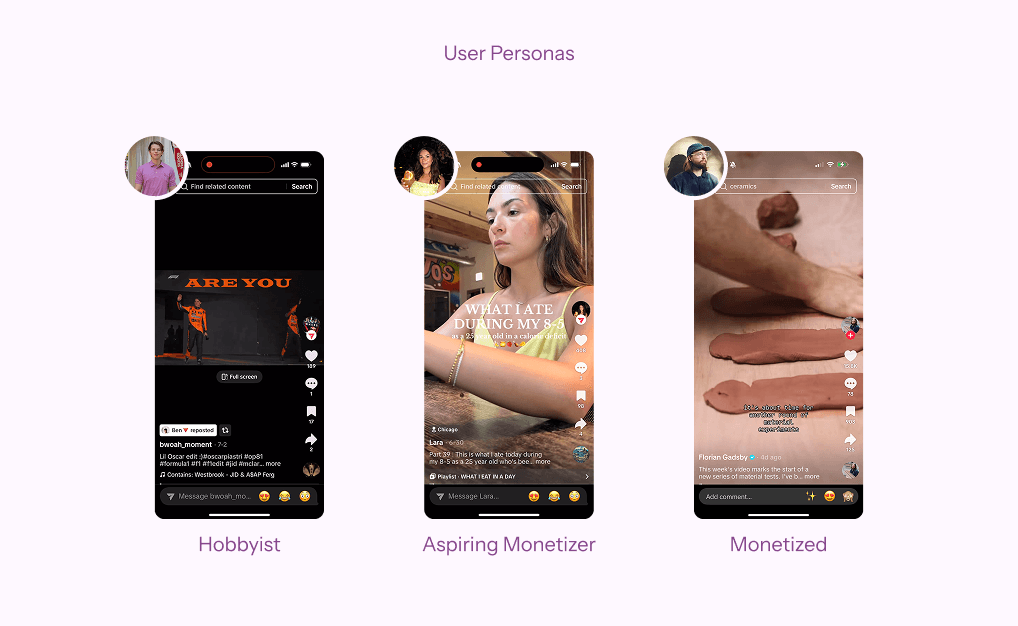
Creators are building real businesses, but the tools available to them fragment their workflow and amplify the grind. Constant content output across platforms, manual editing, and navigating brand partnerships without infrastructure all add up to burnout rather than growth. Adobe had strong penetration in creator workflows, but the research kept surfacing the same pattern: the creators who needed the tools most were moving to mobile-first competitors instead.
Research
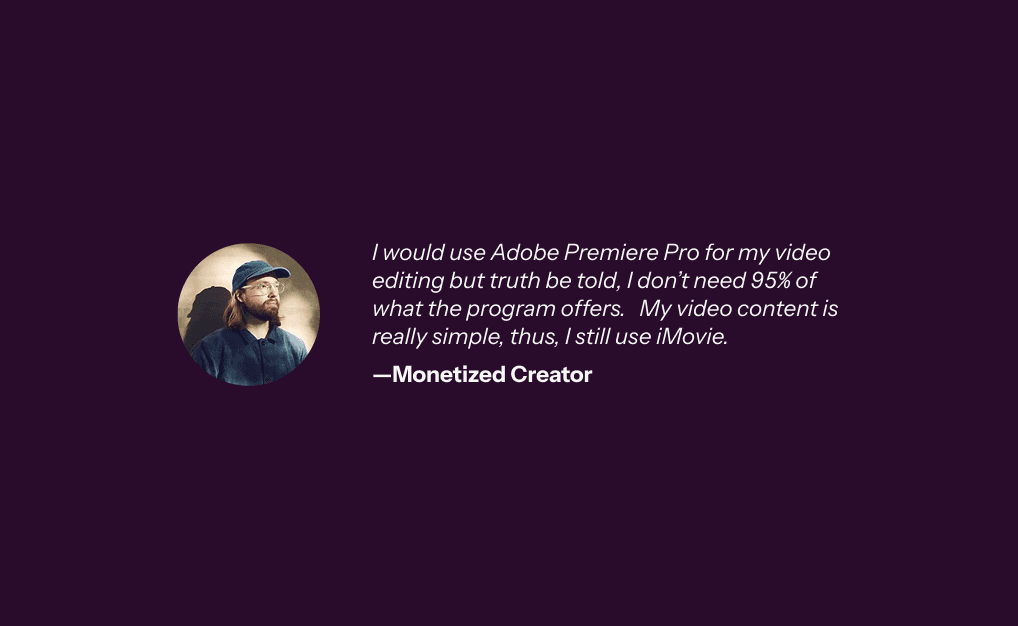
An internal qualitative research study on the US Social Creator population surfaced two key findings. While Premiere Pro had strong adoption in creator workflows, video editing was consistently moving toward mobile-first tools. The biggest problem facing creators was having to stitch together four or five separate apps to run their businesses. One study noted:
About 80% of creators are solo operations.
Process
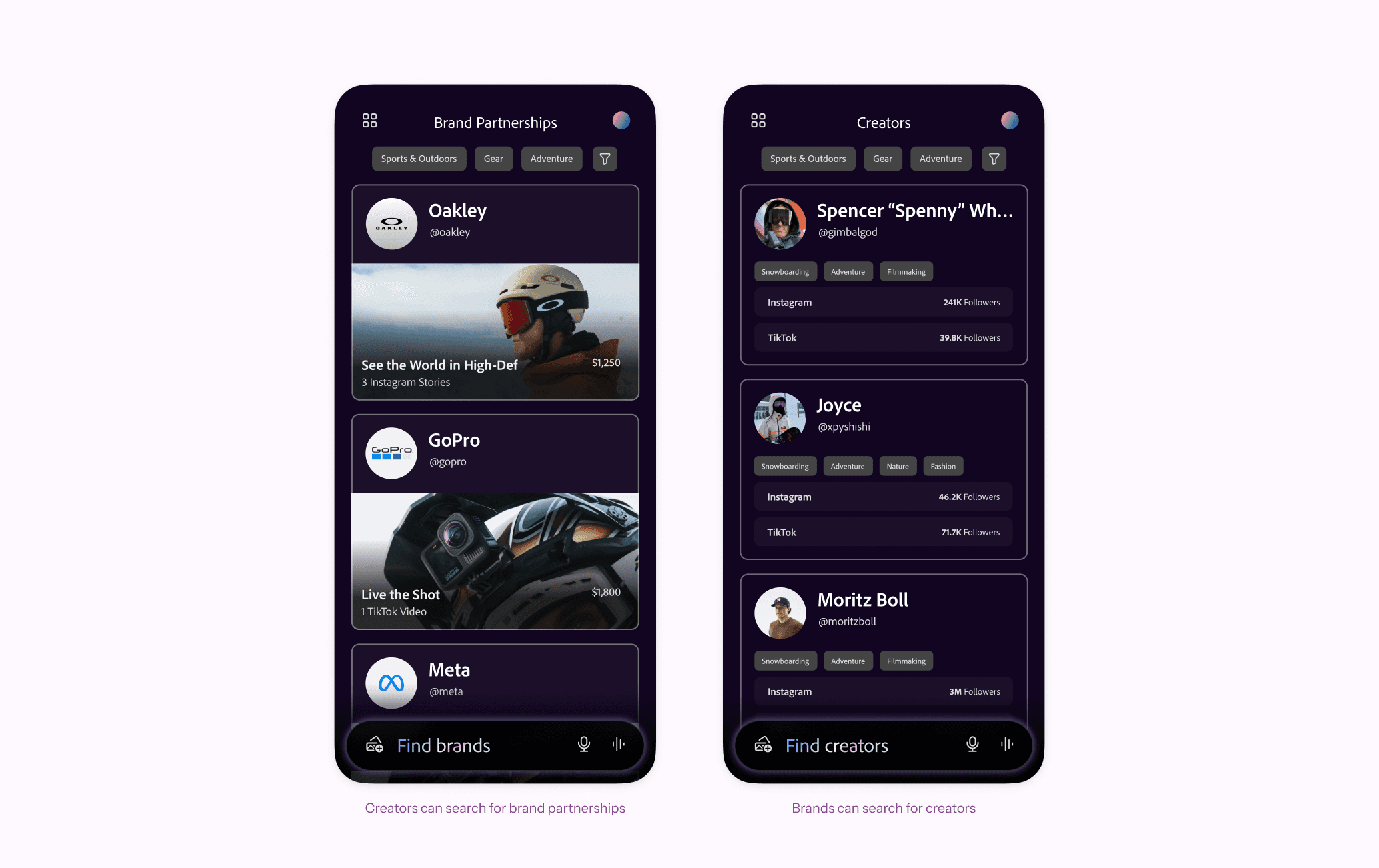
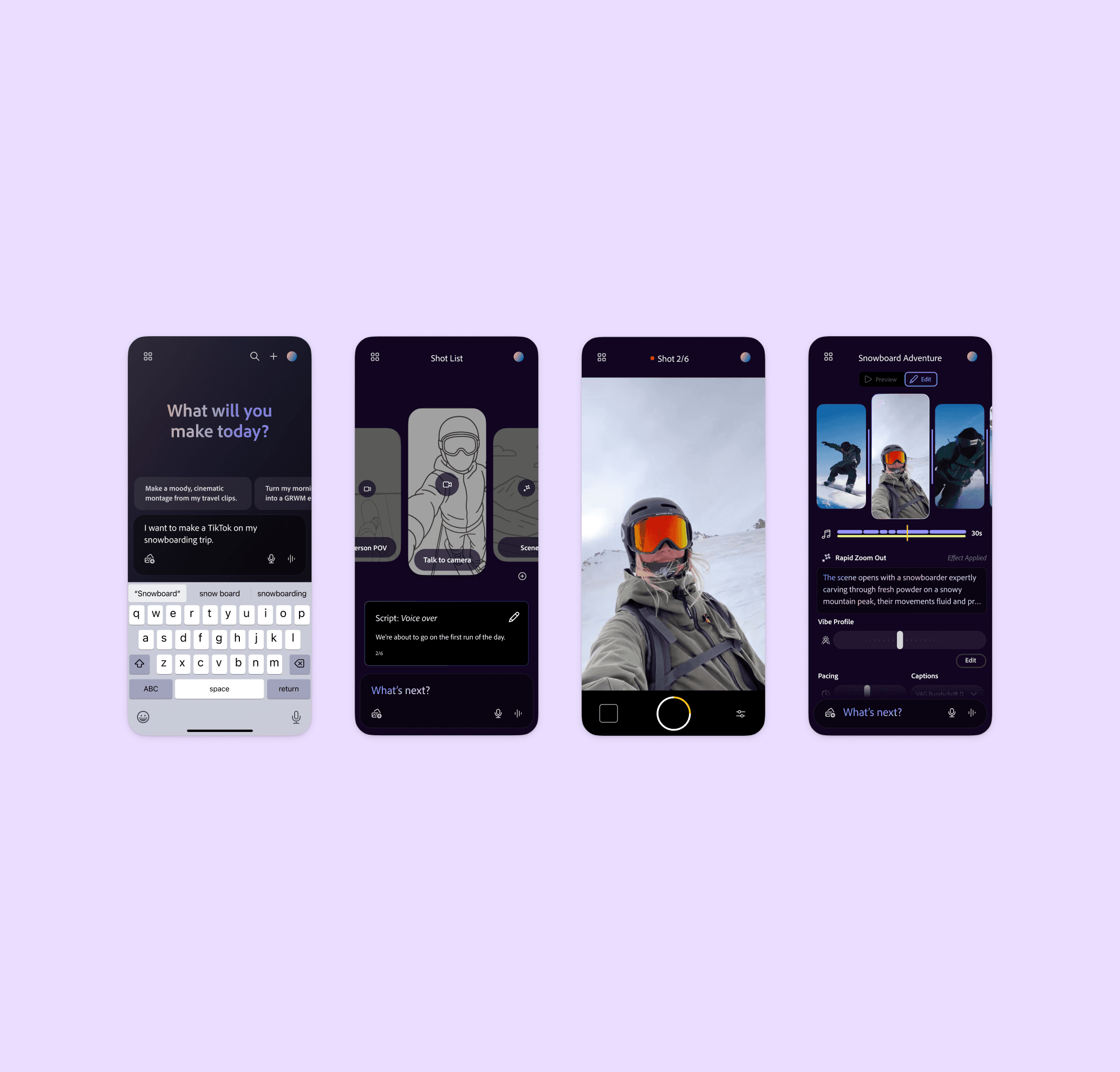
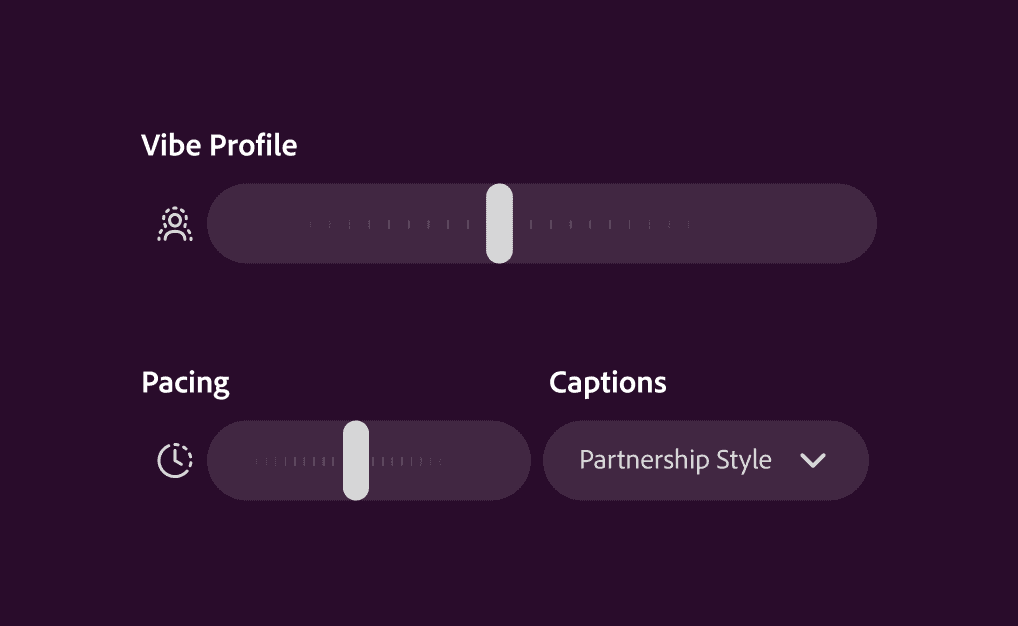
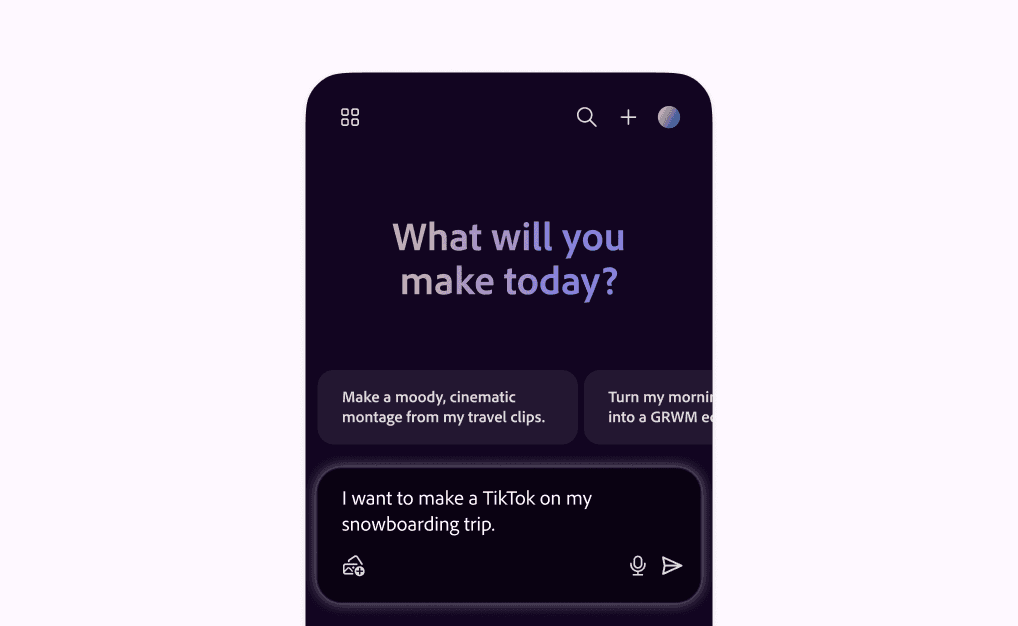
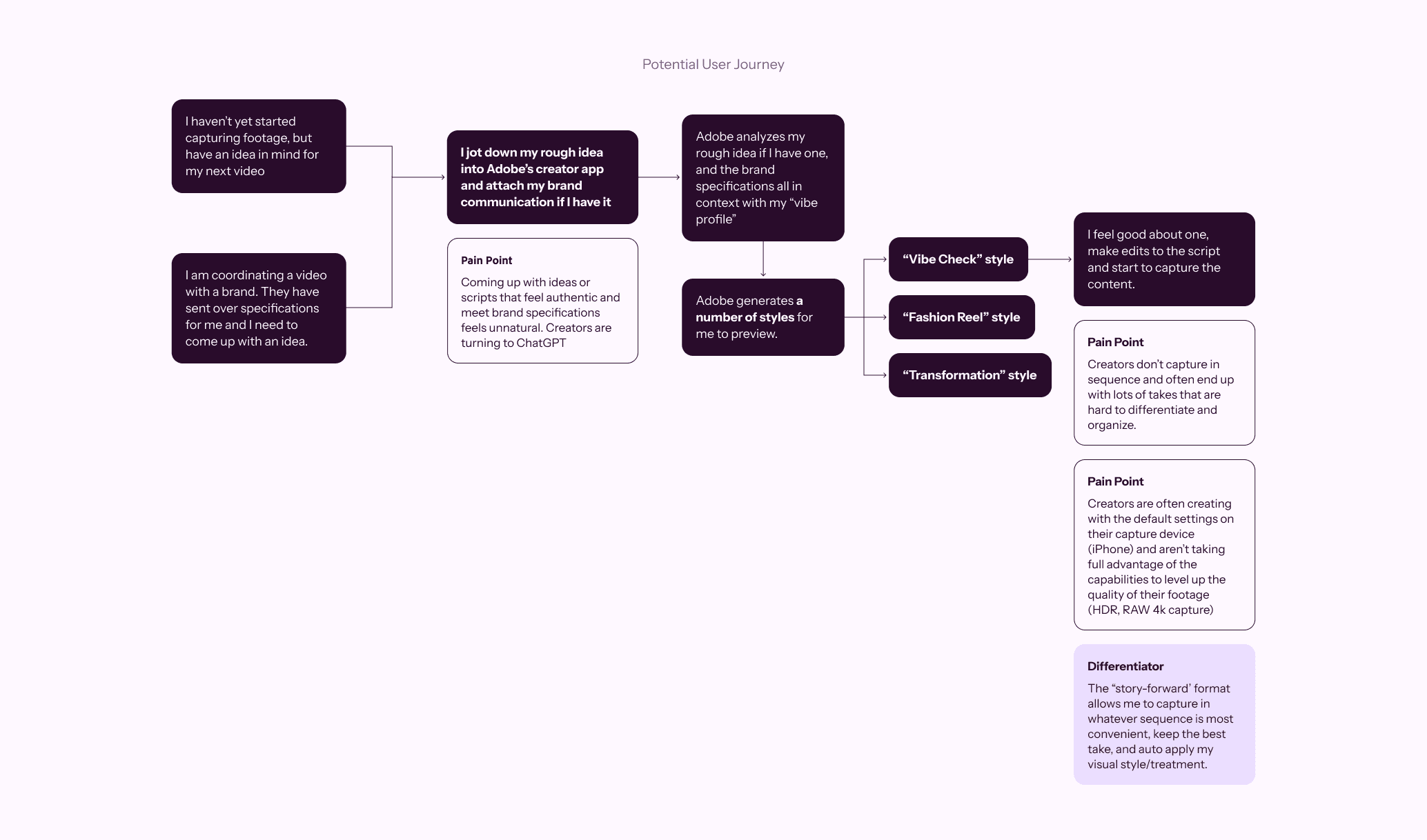
We organized the exploration around three pillars covering the full arc of a creator's work: creating content, connecting to opportunities, and scaling businesses. I owned design across the first two. The first direction I explored leaned heavily on cross-app interoperability, finding ways to reduce the friction of switching between existing tools. It was the most obvious path, but ultimately wrong. It accepted the fragmented workflow as a constraint and tried to make it slightly less painful. When I stepped back and looked at what the research was actually saying, the core problem was the switching itself. The creators I interviewed were not asking for smoother handoffs between apps. Instead, they wanted to work in one place. That reframe changed the design direction entirely. My work shifted to a few core concepts: a shot director that analyzes a creator's historical style and engagement patterns to recommend what to create and how to frame it, shot-level editing controls, and "vibes," a saved editing style that carries a creator's visual tone persistently across all content without manual reapplication. Each concept was prototyped interactively to test against real creator pain points. The subsequent pillar explored how Adobe could support creator businesses directly: brand partnership matching based on shared values and audience alignment, with transparent compensation and opportunities not locked to any single platform. I once again went through the full design process of interviewing creators, wireframing concepts, and producing high-fidelity screens and prototypes to communicate final concepts.
Outcomes
I co-presented the vision to Corporate Strategy and the VPs of Adobe's Digital Imaging and Video organizations in time to inform Adobe's 2026 strategic planning cycle. Our findings and concepts were handed off directly to that team to support ongoing work. The exploration did not ship as a product, but successfully answered the questions stakeholders were asking. Additional resourcing for creator-forward apps were also allocated as a result.
Retrospective
The pivot that unlocked this project was also the hardest decision. My first direction was optimized around existing app boundaries because they felt familiar. However, the research made the case for less context switching between tools. Once I reframed the brief as designing an integrated experience, the pillars became much easier to defend.